Iodine is an essential mineral your body relies on for energy, metabolism, and thyroid function. Yet it’s one of the most commonly overlooked nutrients on a plant-based diet. Many people don’t realize how easy it is to fall short—and how quickly lack of iodine can affect energy, mood, and overall wellness.
This guide explains why iodine matters, why plant-based eaters are more likely to be deficient, the symptoms to watch for, and the simplest ways to maintain healthy levels.
What Is Iodine and Why Does It Matter?
Iodine is a trace mineral your thyroid uses to produce hormones that regulate:
-
Metabolism
-
Energy levels
-
Mood stability
-
Temperature regulation
-
Skin and hair health
-
Cognitive function
Even mild iodine deficiency can lead to noticeable changes in how you feel day to day.
Why Plant-Based Eaters Are More Likely to Be Low in Iodine
Most iodine in the typical Western diet comes from:
-
Dairy products
-
Eggs
-
Seafood
-
Iodized salt (used less frequently at home today)
When people transition to a plant-based lifestyle, these iodine sources are often reduced or eliminated—yet nothing naturally replaces them.
Plant-based eaters may underconsume iodine because:
-
Fruits, vegetables, nuts, and grains contain little iodine
-
Soil depletion has reduced iodine levels in produce
-
Seaweed intake tends to be inconsistent
-
Many avoid iodized table salt and choose sea salt instead
As a result, even a nutrient-rich plant-based diet may leave a meaningful iodine gap.
A simple way to cover this gap is using a clean, controlled-dose supplement like our plant-based iodine drops.
Common Signs of Low Iodine
Iodine deficiency often presents subtly at first. Over time, symptoms can include:
1. Low Energy or Fatigue
When thyroid hormones drop, metabolism slows—leading to persistent tiredness even with enough sleep.
2. Cold Hands and Feet
Iodine plays a role in temperature regulation. Feeling unusually cold is a common sign of deficiency.
3. Brain Fog or Difficulty Focusing
Thyroid hormones influence cognitive clarity. Many people with mild iodine deficiency report slower thinking or forgetfulness.
4. Dry Skin or Thinning Hair
Low iodine can affect skin moisture and hair growth cycles.
5. Unexplained Weight Changes
A sluggish thyroid may slow metabolism, contributing to gradual weight gain.
If several of these symptoms feel familiar, iodine intake is worth investigating.
The Best Plant-Based Sources of Iodine
1. Seaweed (In Moderation)
Types like nori, wakame, and kombu contain iodine—but levels vary dramatically. Some varieties contain too little, while others contain too much.
This inconsistency is why dietitians often recommend a stable supplemental source.
2. Iodized Salt
A reliable option, but many plant-based eaters use sea salt or Himalayan salt instead, which contain almost no iodine.
3. Iodine Supplements
A controlled, consistent way to ensure daily intake—without relying on unpredictable food sources.
Future Kind’s Vegan Iodine Supplement provides a clean, simple daily dose suitable for plant-based diets.

How Much Iodine Do You Need?
Adults typically need around 150 mcg per day, though needs increase during pregnancy and breastfeeding.
Because plant foods offer limited iodine, a supplement helps ensure your intake is:
-
Enough
-
Consistent
-
Not excessively high
This balance is especially important for thyroid health.
Who Should Consider a Plant-Based Iodine Supplement?
You may benefit from a plant-based iodine supplement if you:
-
Follow a vegan or plant-based diet
-
Avoid seafood and dairy
-
Use non-iodized salt
-
Experience fatigue, brain fog, or feeling cold
-
Want more consistent thyroid support
Start with a clean, easy-to-take formula like our plant-based iodine drops.
How to Use Iodine Safely
-
Stick to recommended daily amounts
-
Avoid combining multiple high-iodine sources unless directed by a clinician
-
Take consistently each day
-
Pair with a balanced diet rich in selenium, zinc, and iron for optimal thyroid function
For more support with essential nutrients, explore our best-selling supplements collection.
Plant-Based Iodine + B12 + D3 = A Strong Foundation
Iodine is only one piece of the plant-based nutrition puzzle. Many plant-based eaters feel their best with a simple daily trio:
-
Vitamin B12
-
Vitamin D3
-
Omega 3
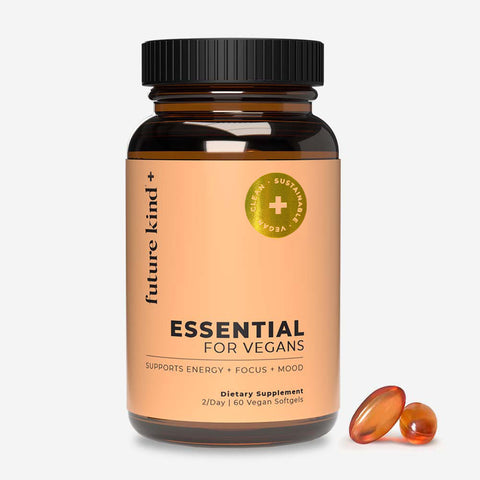
See our complete Essential Multivitamin if you prefer all core micronutrients in one formula.
FAQ: Plant-Based Iodine
Do plant-based eaters need iodine supplements?
Most do. Whole plant foods contain very little iodine, and relying on seaweed or iodized salt can be inconsistent. A supplement like our Vegan Iodine offers stable daily support.
What are signs of iodine deficiency?
Fatigue, feeling cold, brain fog, dry skin, thinning hair, and weight changes are common early signs.
What are the best plant-based iodine sources?
Seaweed and iodized salt offer some iodine, but supplements provide the most predictable and controlled intake.
Can low iodine affect energy?
Yes. Iodine is essential for thyroid function, which directly affects metabolism and daily energy levels.
How much iodine should a plant-based person take?
Most adults need around 150 mcg per day. Supplements help ensure you meet—not exceed—this amount consistently.
This article is for educational purposes only and does not replace professional medical advice. Always consult a healthcare provider before starting new supplements