Choosing the best plant-based multivitamin in 2026 isn’t about finding the longest ingredient list. It’s about finding a formula that covers common nutrient gaps on a vegan or vegetarian diet in forms your body can actually use, without unnecessary additives.
This guide explains what makes a multivitamin truly plant-based, which nutrients matter most, what to skip, and how to choose a daily option with confidence.
Quick Answers
What is the best plant-based multivitamin?
The best plant-based multivitamin is one that provides key nutrients commonly needed on a vegan diet such as vitamin B12, vitamin D3, iodine, and zinc using vegan, bioavailable forms.
Do vegans really need a multivitamin?
Not always, but many vegans choose a multivitamin to help fill nutritional gaps, since getting every essential nutrient from diet alone can be challenging.
Are plant-based multivitamins effective?
Yes. When well formulated, they can support daily nutrient intake alongside a balanced diet.
Are gummy multivitamins as good as capsules?
They can be convenient, but it’s important to check nutrient forms, amounts, and added sugars.
What Makes a Multivitamin “Plant-Based”?
A truly plant-based (vegan) multivitamin is made without animal-derived ingredients, including:
-
Gelatin capsules
-
Fish or krill oil
-
Dairy-derived excipients
-
Lanolin-based vitamin D3
Instead, vegan multivitamins rely on:
-
Lichen-derived vitamin D3
-
Synthetic or fermented vitamin B12
-
Plant-based capsule materials
Many products are labeled “vegetarian” but are not fully vegan, so ingredient sourcing matters.
Key Nutrients to Look for in the Best Plant-Based Multivitamin
1. Vitamin B12
Vitamin B12 is one of the most important nutrients for people on a plant-based diet. It supports normal energy metabolism and nervous system function and is rarely available from plant foods alone.
If you want deeper guidance, see:
Best time to take vitamin B12
2. Vitamin D3 (Vegan Sourced)
Vitamin D3 supports bone and muscle health. Vegan D3 is typically sourced from lichen, not sheep’s wool.
You can also explore standalone options here:
Vegan Vitamin D3
3. Iodine
Iodine supports normal thyroid function and is often overlooked in plant-based diets, especially when iodized salt or sea vegetables aren’t consumed regularly.
4. Zinc
Zinc plays a role in immune function and cellular processes. Some plant-based diets may provide less absorbable zinc due to phytates in whole foods.
5. Iron (Included or Not?)
Some plant-based multivitamins include iron, while others don’t.
-
With iron: often preferred by menstruating individuals
-
Without iron: sometimes chosen by those who already supplement or have iron-sensitive digestion
For separate iron support, see:
Vegan Iron + Vitamin C

What to Avoid in Plant-Based Multivitamins
When comparing options, many people choose to avoid:
-
Proprietary blends with unclear dosages
-
Excessively high “mega-doses”
-
Artificial dyes and sweeteners
-
Long ingredient lists with minimal explanation
More ingredients don’t always mean better results.
Capsules vs Gummies: Which Is Better?
Capsules
-
Often include more nutrients
-
Usually contain fewer added sugars
-
Easier to control ingredient quality
Gummies
-
More enjoyable for some people
-
May contain fewer nutrients
-
Often include sweeteners
If you prefer gummies, compare labels carefully. You can browse options here:
Vegan Gummies Collection
What About Omega-3s?
Most multivitamins don’t include meaningful amounts of DHA and EPA.
That’s why many people pair a multivitamin with a separate algae-based omega-3:
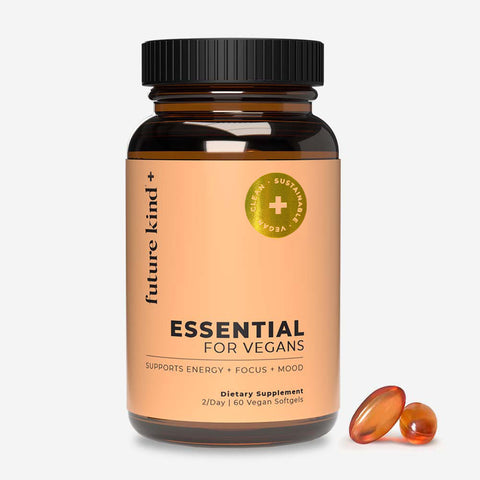
A Simple Plant-Based Multivitamin Option (By Future Kind)
At Future Kind, we design supplements specifically for plant-based diets with a focus on clarity, quality, and consistency.
Our multivitamin options include:
-
Essential Vegan Multivitamin - a simple daily foundation
-
Vegan Complete Multivitamin or Foundations Multivitamin - a more comprehensive option
All are:
-
100% vegan
-
Clearly labeled
-
Designed to complement a balanced diet
You can also explore:
Best Vegan Supplements Collection
Frequently Asked Questions
What is the best plant-based multivitamin in 2026?
The best option is one designed specifically for plant-based diets, covering key nutrients like B12 and vitamin D3, and simple enough to take consistently. That is exactly the standard we use at Future Kind.
Should vegans take a multivitamin every day?
Some do, some don’t but it is recommended. A multivitamin can help fill gaps, but individual needs vary.
When should you take a plant-based multivitamin?
Many people take it with a meal to improve tolerability, but timing depends on the specific formula.
Can you take a multivitamin long-term?
Many people do, but it’s a good idea to periodically review supplements with a healthcare professional.
Final Takeaway
The best plant-based multivitamin is simple, transparent, and consistent.
Focus on key nutrients, avoid unnecessary extras, and choose a product that supports your lifestyle, not one that overwhelms it.
FDA & Medical Disclaimer
This article is for informational purposes only and does not constitute medical advice. These statements have not been evaluated by the Food and Drug Administration. Dietary supplements are not intended to diagnose, treat, cure, or prevent any disease. Always consult a qualified healthcare professional before starting any supplement.