If you’ve recently shifted toward a plant-based diet, it’s normal to feel a dip in energy—especially if you're still learning how to balance nutrients, meal timing, and lifestyle habits.
The good news is that feeling low-energy isn’t a permanent part of eating plant-based. Often, the fix is simpler than you think.
This guide shares science-backed plant-based energy tips to help you feel more awake, stable, and clear-headed—without leaning on coffee.
Why Energy Can Dip on a Plant-Based Diet
When people reduce or remove animal products, a few nutrient gaps can show up quickly, especially vitamin B12, iron, iodine, omega-3, and vitamin D3. Sleep quality, blood sugar, and meal balance can also play a role.
Most plant-based fatigue comes down to:
-
Low B12
-
Low iron
-
Inconsistent meals
-
Under-eating protein
-
Low omega-3 intake
-
Poor sleep or stress
Let’s break down what actually helps.
1. Start with B12 (Your Body’s Natural Energy Helper)
If you only make one change, start here.
B12 is essential for energy production, nerve health, and red blood cell formation—and it’s not naturally present in plant foods.
Low B12 can quickly lead to:
-
Fatigue
-
Brain fog
-
Low motivation
-
Irritability
If these symptoms feel familiar, B12 might be the missing piece. A simple daily dose from a clean, vegan-friendly formula like our B12 supplement is one of the easiest ways to feel better.
For more on timing, see our guide on the best time to take B12.

2. Check Your Iron Intake (Especially If You’re Often Tired or Cold)
Iron is another major factor in daily energy. Plant-based iron sources are healthy, but the body absorbs them less efficiently than heme iron from animal foods.
Common signs of low iron include:
-
Persistent tiredness
-
Feeling cold
-
Shortness of breath
-
Pale skin
-
Headaches
A gentle but effective formula like our Iron + Vitamin C supplement can help support healthy levels while remaining stomach-friendly.
3. Build High-Energy Meals (Protein + Fiber + Healthy Fats)
Stable energy has less to do with calories and more to do with balance.
For consistent alertness, aim for:
-
Protein: lentils, tofu, tempeh, beans, edamame, protein shakes
-
Healthy fats: avocado, nuts, seeds, olive oil
-
Complex carbs: oats, quinoa, brown rice, fruit, starchy veggies
If you find yourself hungry shortly after meals, try increasing protein or healthy fat.
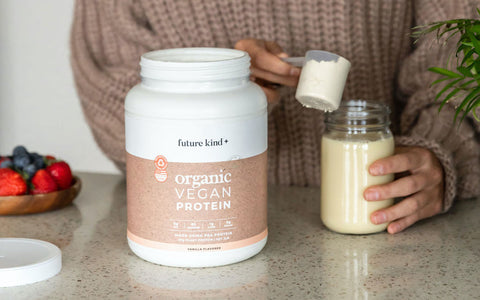
You can also use a clean, plant-based protein powder to fill gaps—see our plant-based protein powder or our chocolate flavour powder for an easy daily option.
4. Support Brain and Mood Energy with Omega-3
Most plant-based eaters get plenty of ALA from seeds, but very little DHA/EPA—the forms your brain uses directly.
Low DHA/EPA can contribute to:
-
Brain fog
-
Difficulty focusing
-
Low mood
-
Slower recovery
A simple fix is adding an algae-based formula like our Omega-3 DHA/EPA.
For more symptoms to look for, see the guide on plant-based omega-3 deficiency.
5. Improve Energy Naturally with Magnesium (Especially in the Evenings)
Magnesium doesn’t give you a caffeine-like boost, but it helps support smooth energy by improving:
-
Stress response
-
Sleep quality
-
Muscle recovery
Most people benefit from taking magnesium at night. A gentle option like Magnesium Glycinate can help support more restful sleep—often the first step toward feeling energized during the day.
6. Stay Ahead of Energy Dips with Smart Hydration
Low hydration can mimic fatigue. Electrolytes, herbal teas, and water-rich foods (fruit, cucumbers, leafy greens) make a noticeable difference.
A simple rule: drink a full glass of water before your morning meal and another in the early afternoon.
7. Move Daily—but Keep It Realistic
You don’t need intense workouts to improve energy. Light daily movement supports:
-
Circulation
-
Mood
-
Stress relief
-
Metabolism
Try:
-
A 10-minute walk after lunch
-
Stretching
-
Gentle yoga
-
Cycling or swimming
Small, consistent movement beats intense, irregular workouts.
8. Use Targeted Plant-Based Energy Supplements (When Needed)
If you want additional support, consider browsing the plant-based energy supplements collection. It includes nutrient essentials that directly influence energy metabolism, focus, and stamina.
Popular choices include:
-
B12 for daily energy
-
Iron + Vitamin C for red blood cell support
-
Omega-3 for brain clarity
-
Magnesium for sleep and recovery

9. Eat Enough—Especially If You’re New to Plant-Based Eating
Whole foods are naturally lower in calories, which means you might unintentionally undereat. If you’re constantly hungry or sluggish, eating more often or increasing your portions may help more than you expect.
Putting It All Together: A Simple Daily Energy Routine
Morning:
-
B12 supplement
-
Balanced breakfast (protein + fat + complex carbs)
-
Full glass of water
-
Short walk
Afternoon:
-
Omega-3 with lunch
-
Protein-rich snack
-
Hydration check-in
Evening:
-
Magnesium
-
Light stretching
-
Consistent sleep schedule
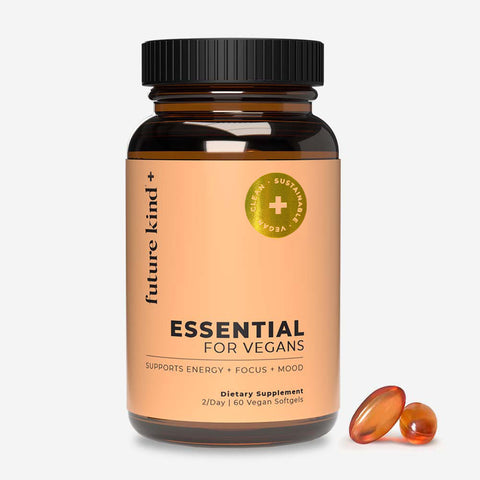
For product support, start with the energy supplement essentials.
FAQ: Plant-Based Energy Tips
Why do I feel tired on a plant-based diet?
Most fatigue comes from low B12, low iron, inconsistent meals, or low omega-3 intake. These are easy to fix with a few simple changes.
How do I get more energy without coffee?
Increase protein, hydrate well, and add key nutrients like B12 and iron. Explore our plant-based energy supplements for targeted support.
What is the best plant-based supplement for energy?
B12 is the most important for daily energy. Many plant-based eaters also benefit from Iron + Vitamin C and Omega-3 DHA/EPA.
Can B12 help with fatigue?
Yes. B12 deficiency is one of the most common causes of plant-based fatigue. Try a daily dose of our B12 supplement for steady support.
Does iron increase energy?
If you’re low in iron, supplementing can significantly improve fatigue. A gentle option is the Iron + Vitamin C formula.
This article is for educational purposes only and does not replace professional medical advice. Always consult a healthcare provider before starting new supplements.