Omega-3 fats are essential for brain health, mood, heart function, and inflammation support. But if you follow a plant-based diet, you may not be getting enough of the long-chain omega-3s your body needs — DHA and EPA.
That’s because most plant foods contain ALA, a precursor that the body converts very poorly into DHA and EPA. For many plant-based beginners, this gap becomes noticeable over time.
Below, you’ll learn the most common signs of plant-based omega-3 deficiency, how it happens, and what you can do to feel better.
Why Plant-Based Eaters Are More Likely to Be Low in Omega-3
Plant foods like flax, chia, walnuts, and hemp seeds offer ALA, but the conversion rate to usable DHA/EPA can be as low as 1 to 5 percent.
This means even a nutrient-rich plant-based diet can fall short — especially if you’re active, stressed, pregnant, or not consistently eating omega-3–rich seeds.
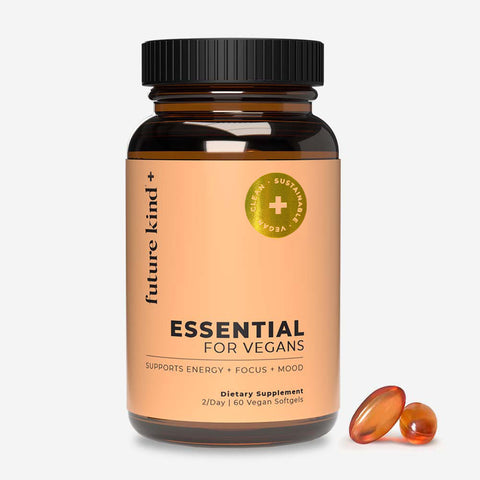
One of the easiest ways to fill this gap is using a clean, algae-derived DHA/EPA formula like our plant-based Omega-3 supplement.
Common Signs of Plant-Based Omega-3 Deficiency
If you’ve been plant-based for a while and you’re noticing changes in energy, skin, mood, or focus, low DHA/EPA may be part of the picture.
Below are the most widely reported signs.
1. Low Mood or Irritability
DHA plays a major role in brain cell structure and neurotransmitter function. When levels drop, some people notice mood instability or increased irritability.
2. Dry Skin or Brittle Hair
Healthy cell membranes rely on omega-3 fats to retain moisture. If you’re low, your skin may feel dry or flaky and your hair may lose some of its natural shine.
Many readers find support from adding algae omega-3 along with mineral-rich nutrients like iodine and zinc.
3. Trouble Focusing or Forgetfulness
Omega-3 deficiency can affect cognitive clarity. DHA is a major structural fat in the brain, so low intake may lead to:
-
Difficulty concentrating
-
Brain fog
-
Slower recall
If you’re noticing these shifts, a simple algae-based DHA/EPA supplement is often enough to help.
4. Joint Stiffness or Muscle Soreness
EPA helps regulate inflammation. Low EPA levels may lead to increased stiffness or slower workout recovery.
If you're active, stressed, or plant-based, omega-3 support becomes even more important.
5. Vision Changes or Dry Eyes
DHA is essential for retina health. Some early signs of deficiency include mild visual fatigue or persistent eye dryness.
6. Fatigue or Low Energy
Omega-3s support mitochondrial function — the energy centers of your cells. Low levels may contribute to sluggish mornings or general daily fatigue.
If energy is a concern, vitamin B12 is also worth considering. B12 plays a direct role in energy metabolism and nervous system function, and low levels are a common contributor to persistent fatigue, especially in plant-based diets. You can learn more about how B12 supports daily energy in our guide on vitamin B12.
Who’s Most at Risk on a Plant-Based Diet?
You may be more likely to experience omega-3 deficiency if you:
-
Eat mostly plant-based whole-foods but little to no seeds or nuts
-
Don’t regularly consume flax, chia, or walnuts
-
Are pregnant or breastfeeding
-
Follow a low-fat diet
-
Have high stress levels
-
Are very active or training regularly
-
Have been plant-based for several years without supplementation
If any of this sounds familiar, it’s worth evaluating your DHA/EPA intake.
How to Fix Plant-Based Omega-3 Deficiency
The most research-backed choice is simple: add a direct source of DHA and EPA instead of relying on ALA conversion.
1. Choose a Clean, Algae-Derived DHA/EPA Supplement
Algae is where fish get their omega-3s — bypassing fish makes your omega-3 intake cleaner, more sustainable, and fully plant-based.
Our high-potency formula is one of the easiest ways to start:
Future Kind Omega-3 DHA/EPA
2. Include ALA-Rich Seeds Daily
Helpful, but not enough on their own:
-
1–2 tablespoons chia
-
1–2 tablespoons ground flax
-
A handful of walnuts
-
Hemp seeds in smoothies
These foods offer total health benefits but won’t replace DHA/EPA.
3. Pair Omega-3 With a Consistent Supplement Routine
You’ll absorb omega-3 better when taken with a meal containing fat. For plant-based eaters, taking it with lunch is ideal.
If you're unsure about daily timing, see our full plant-based supplement schedule.

When to Expect Results
Most people notice improvements in:
-
Energy
-
Skin hydration
-
Mental clarity
-
Mood
-
Recovery
within 4 to 8 weeks of supplementing consistently.
Should You Get Tested?
If you want a deeper look, your doctor can order a simple omega-3 index test. However, most plant-based individuals simply start supplementing because deficiency is so common and tests are less accessible.
FAQ: Plant-Based Omega-3 Deficiency
What are the symptoms of plant-based omega-3 deficiency?
Low mood, dry skin, brain fog, joint discomfort, fatigue, and dry eyes are common signs. Plant-based eaters are more likely to experience deficiency without a direct source of DHA/EPA.
Can you get enough omega-3 on a plant-based diet?
Not typically. ALA-rich seeds help, but your body converts very little into usable DHA/EPA. The simplest solution is an algae-based supplement like our plant-based Omega-3.
What is the best plant-based source of omega-3?
Algae is the only reliable plant-based source of DHA/EPA. It’s the same place fish get theirs — making it cleaner and more sustainable.
How long does it take to fix an omega-3 deficiency?
Most people experience improvements within 4 to 8 weeks of consistent DHA/EPA supplementation.
Do I need both DHA and EPA?
Yes. DHA supports brain and eye health while EPA helps regulate inflammation. A balanced formula like our DHA/EPA Omega-3 covers both.
Can omega-3 help with energy or mood?
Many people report improvements in mood stability and daily energy once deficiency is corrected. This aligns with omega-3’s role in neurotransmitter support and cellular energy production.
This article is for educational purposes only and does not replace professional medical advice. Always consult a healthcare provider before starting new supplements.