If you’ve recently transitioned to a plant-based lifestyle or you're simply trying to optimize your supplement routine, one of the most common questions is: When is the best time to take plant-based supplements — morning or night?
The truth is, timing matters. The right schedule can help improve absorption, boost daily energy, support better sleep, and minimize digestive discomfort.
This guide breaks down the optimal times to take the most important plant-based supplements, including B12, vitamin D3, and multivitamins.

Why Supplement Timing Matters
Different vitamins and minerals are absorbed differently depending on their solubility, interactions, and how your body naturally cycles energy and hormones throughout the day.
This article focuses on the most essential and widely used plant-based nutrients:
-
Vitamin B12
-
Vitamin D3
-
Multivitamins
-
Omega-3
-
Magnesium
Let’s walk through the ideal schedule.
Morning Supplements: What to Take and Why
1. Vitamin B12
Best time: Morning (with or without food)
Vitamin B12 plays a key role in energy metabolism, red blood cell formation, and cognitive function. Many people report a mild energizing effect, which makes the morning an ideal time to take it.
A reliable, highly absorbed option is our B12 supplement or our B12 Gummies. containing both methylcobalamin and adenosylcobalamin.
Why morning?
-
Supports natural energy levels
-
Helps maintain focus throughout the day
-
Avoids potential sleep interference for sensitive individuals
2. Vitamin D3
Best time: Morning or early afternoon
Form: Plant-based lichen D3
Vitamin D3 has a mild wakefulness effect and aligns well with your body’s natural daylight rhythm. Since few foods contain D3, supplementation is especially important for plant-based diets.
Consider the clean, lichen-derived plant-based D3 supplement for consistent daily support.
Why earlier in the day?
-
Supports immune function
-
May align better with circadian rhythms
-
Helps maintain steady mood and energy
3. Multivitamin
Best time: Morning with breakfast
A multivitamin functions as your foundational nutrient safety net. Taking it in the morning with breakfast helps spread nutrient absorption throughout the day and prevents the mild nausea some people experience on an empty stomach.
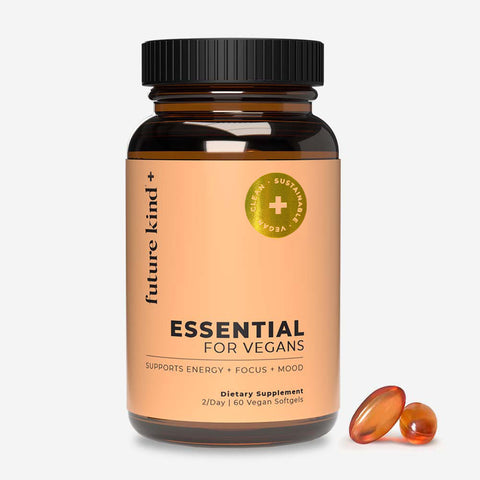
Our science-backed Essential Multivitamin covers key nutrients people on a plant-based diet often underconsume, including B12, iodine, and D3.
Why morning?
-
Works well with breakfast
-
Helps create a consistent daily habit
-
Supports energy, mood, and metabolism earlier in the day
Midday Supplements
Omega-3 (Algae-Derived DHA/EPA)
Best time: Anytime with a meal (morning or lunch preferred)
Omega-3 absorption improves when taken with dietary fat, so pair it with meals. People on a plant-based diet especially benefit from algae-based DHA/EPA.
Explore the clean, high-potency algae omega-3 supplement for brain, heart, and joint support.
Why midday?
-
Great absorption when taken with food
-
Supports mental clarity during the day
-
No risk of affecting sleep
Evening Supplements: What Works Best at Night
Magnesium
Best time: Evening (1–2 hours before bed)
Magnesium supports muscle relaxation, sleep quality, stress reduction, and recovery. It’s one of the most commonly recommended nighttime supplements for a reason.
Our gentle, highly absorbent Magnesium Glycinate is formulated to calm the nervous system without digestive irritation.
Why evening?
-
Helps support deeper, more restful sleep
-
Promotes muscle and nerve relaxation
-
Counterbalances daytime stress
Putting It All Together: Your Optimal Plant-Based Supplement Schedule
Here’s the ideal daily routine for plant-based diets:
Morning:
-
B12
-
D3
-
Multivitamin
Midday (with food):
-
Omega-3
Evening:
-
Magnesium
If you want a foundational, beginner-friendly bundle, explore our best-selling plant-based supplements collection.

Common Mistakes to Avoid
-
Taking magnesium in the morning (may make you tired)
-
Taking B12 at night (may interrupt sleep for some)
-
Taking D3 on an empty stomach (lack of fat decreases absorption)
-
Taking all supplements at one time (reduces efficiency)
A well-spaced schedule improves consistency and results.
FAQ: When to Take Plant-Based Supplements
Is it better to take plant-based supplements in the morning or at night?
It depends on the nutrient. Energy-supportive supplements like B12 and multivitamins are ideal in the morning. Relaxing or restorative supplements like magnesium work better at night.
When should I take plant-based vitamin B12?
Most people take B12 in the morning to support energy and focus. Learn more or shop our plant-based B12 supplement.
Should I take my plant-based multivitamin with food?
Yes, especially if it includes fat-soluble nutrients like D3 and K2. Taking your Essential Multivitamin with breakfast improves absorption.
When is the best time to take vitamin D3?
Morning or early afternoon is ideal, especially if you want a routine that aligns with your body’s natural sunlight rhythm. Consider our plant-based D3.
Can I take omega-3 at night?
You can, but taking algae-based omega-3 with a meal earlier in the day improves absorption.
Does magnesium help you sleep?
Yes. Magnesium glycinate, in particular, supports relaxation and is best taken in the evening. Explore Magnesium Glycinate for a nighttime routine.
This article is for educational purposes only and does not replace professional medical advice. Always consult a healthcare provider before starting new supplements.