Anxiety is common, and it is understandable to wonder whether a supplement could help you feel calmer. It is worth being clear up front: supplements are not a treatment or cure for anxiety, and they are not a substitute for professional care. Research suggests that certain nutrients play a role in normal nervous system function and may influence stress resilience, and that correcting a nutrient deficiency or insufficiency may support overall well-being, especially alongside the approaches a healthcare professional recommends.
Here is a calm, evidence-aware look at the nutrients most often studied, what the research does and does not show, and how they fit into a plant-based routine.
A note before you start
If anxiety is affecting your daily life, the most helpful step is to talk with a qualified healthcare professional. They can look at the whole picture, including sleep, stress, diet, and any underlying causes, and help you decide whether testing or supplementation makes sense for you. Supplements may support standard approaches such as therapy or medication, but they work best as one part of a broader plan, not on their own.
Supplements Good for Anxiety: Nutrients studied for stress and mood
Magnesium
Magnesium is involved in nervous system function and the body’s stress response. Low magnesium status has been linked with mood symptoms in some research, and forms like glycinate are commonly chosen because they are generally well tolerated and suitable for daily supplementation. Correcting a shortfall may help, though magnesium is not a stand-alone fix.
Omega-3 (EPA and DHA)
Omega-3 fatty acids are part of brain cell structure and a healthy inflammatory response. Some studies suggest omega-3 supplementation may help with anxiety symptoms, with reviews pointing to higher-EPA doses and noting that benefits were clearer at larger intakes used under guidance. The overall evidence is still developing and not conclusive. On a plant-based diet, algae oil is the direct source of vegan EPA and vegan DHA.
Vitamin D
Vitamin D receptors are found in the brain, and low vitamin D status is common and has been associated with mood symptoms in observational studies, although this does not necessarily mean it is the cause. Testing your level is the sensible way to know whether supplementing is worthwhile for you.
B vitamins, including B12
B vitamins support normal nervous system function and energy metabolism, and they are involved in producing neurotransmitters. For plant-based eaters, B12 is especially worth getting right, since it is found mostly in animal foods.
L-theanine and certain herbs
L-theanine, an amino acid found in tea, is often discussed for a sense of calm without sedation. Herbs such as ashwagandha and lemon balm appear in the research conversation too. Evidence varies by ingredient and quality, and herbs can interact with medications, so these are worth discussing with a healthcare professional before trying.
What the evidence does and does not say
It helps to keep expectations grounded:
-
No single supplement cures anxiety or replaces professional treatment.
-
Correcting a genuine nutrient shortfall is more likely to help than adding supplements on top of an already-adequate diet.
-
Effects are usually modest and vary from person to person, depending on your diet, bloodwork, and life stage.
-
Bloodwork beats guessing. Testing for nutrients like vitamin D and B12 can help guide what is actually worth taking.
Building a sensible plant-based foundation
Many of the nutrients studied for stress and mood overlap with the everyday gaps a plant-based diet should cover anyway, like B12, vitamin D, omega-3, and magnesium. Rather than chasing a long list of single-ingredient “calm” products, it can make more sense to cover the basics well.
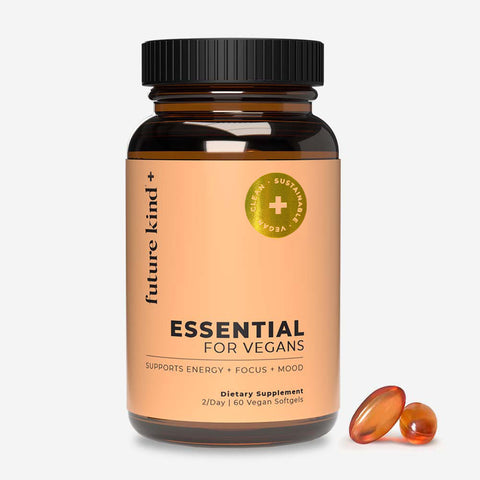
Future Kind’s Foundations multivitamin is formulated for plant-based eaters and covers several of these foundational nutrients, including B12, vitamin D3, omega-3 DHA and EPA from algae, and magnesium. It is made without animal-derived ingredients. For magnesium specifically, our guide on the best magnesium supplements and Future Kind’s vegan magnesium may be useful.
For a closer look at this topic, see our full guide to the best supplements for anxiety.
The bottom line
Some nutrients, including magnesium, omega-3, vitamin D, and B vitamins, support nervous system health and may help with stress and mood when they correct a shortfall, especially as part of a broader plan. They are not a cure, and they do not replace professional care. If anxiety is affecting your life, reach out to a qualified healthcare professional who can help you find the right support.
Mental health is a sensitive topic. If you are struggling, please consider reaching out to a qualified healthcare professional or a trusted person in your life for support.
This article is for informational purposes only and does not constitute medical advice. These statements have not been evaluated by the Food and Drug Administration. Dietary supplements are not intended to diagnose, treat, cure, or prevent any disease. Always consult a qualified healthcare professional before starting any supplement, especially if you are pregnant, breastfeeding, taking medication, or managing a health condition.