Iron is one of the nutrients plant-based eaters ask about most, and for good reason. Plant foods contain non-heme iron, which the body absorbs less efficiently than the heme iron found in animal foods. That does not make a plant-based diet deficient by default, but it does mean iron is worth paying attention to, and for some people a supplement is the simplest way to close the gap.
The problem is that the iron supplement aisle is confusing. Different forms, wildly different doses, and a lot of products that upset the stomach. This guide breaks down what actually matters when choosing a vegan iron supplement, which forms are gentlest, and how to take iron so your body can actually use it.
Quick Answers
Do vegans need an iron supplement? Not always. Some plant-based eaters meet their needs through iron-rich foods and good absorption habits. Others, particularly menstruating people and endurance athletes, benefit from a supplement. Bloodwork is the most reliable way to know.
What is the best form of iron for vegans? Ferrous bisglycinate is a chelated form that is easier on the stomach and betterl absorbed. Ferrous sulfate is a less expensive, common form but more likely to cause digestive discomfort.
Should you take iron with vitamin C? Yes. Vitamin C significantly improves the absorption of non-heme iron, which is why many plant-based iron supplements pair the two.
Can iron supplements upset your stomach? Some forms can. Gentler chelated forms such as ferrous bisglycinate are generally less likely to cause nausea or constipation. Some people also find taking iron with food improves tolerance, although food can reduce iron absorption.
Why iron matters more on a plant-based diet
Iron supports the formation of red blood cells and the transport of oxygen around the body. When iron intake or absorption falls short over time, energy and focus are often the first things to slip.
Plant foods such as lentils, chickpeas, tofu, and dark leafy greens contain non-heme iron, which is absorbed at a lower and more variable rate than heme iron. Compounds naturally present in plants, such as phytates and tannins, can lower absorption further. The practical result is that plant-based eaters may consume plenty of iron on paper while absorbing less of it.
This is why habits matter as much as intake. Pairing iron-rich foods with vitamin C, and separating them from coffee and tea, can meaningfully change how much iron you actually take in.
Who is most likely to need a vegan iron supplement
You may benefit from a plant-based iron supplement if you:
-
Menstruate, especially with heavier periods
-
Are an endurance athlete or train frequently
-
Have been told your ferritin is low on bloodwork
-
Feel persistently tired, cold, or short of breath during light activity
-
Are pregnant or breastfeeding, under the guidance of a healthcare professional
Many men and postmenopausal women, on the other hand, should not add iron without a clear reason, because excess iron can build up in the body over time. This is one nutrient where testing genuinely beats guessing. If your energy is low and you are not sure why, our guide on how to boost energy on a plant-based diet covers the other common causes worth ruling out.
The forms of iron, compared
The most practical iron form for most plant-based eaters is a chelated one such as ferrous bisglycinate, which absorbs well and is gentle on the stomach. The table below compares the common options.
|
Iron form |
Absorption |
Stomach tolerance |
Notes |
|---|---|---|---|
|
Ferrous bisglycinate |
Good |
Gentle |
A chelated form often chosen for sensitive stomachs |
|
Ferrous sulfate |
Good |
Harsher |
Less expensive and widely used, more likely to cause discomfort |
|
Ferrous gluconate |
Moderate |
Moderate |
Lower elemental iron per dose, sometimes better tolerated |
|
Iron from food blends |
Variable |
Gentle |
Whole-food style products, often lower and less predictable doses |
The form of iron on the label affects both how well it absorbs and how it sits with your stomach, so it is worth checking rather than assuming. Ferrous bisglycinate paired with vitamin C is the combination Future Kind uses for this reason.
What to look for in a vegan iron supplement
-
A gentle, well-absorbed form. Ferrous bisglycinate is a strong default. If a product does not name its iron form, that is a gap worth looking into.
-
Vitamin C included or paired. Vitamin C boosts non-heme iron absorption, so a combined formula removes the guesswork.
-
A sensible dose. More is not better. A moderate daily dose taken consistently is easier on the body than an occasional megadose.
-
Genuinely vegan. Check that capsules are plant-based rather than gelatin, and that there are no animal-derived ingredients.
-
Third-party testing. Independent testing for purity and quality is a meaningful trust signal for something you take daily.
What to avoid
-
Products that do not disclose the iron form or the elemental iron dose
-
Very high single doses marketed as fast fixes
-
Gelatin capsules, if you are keeping the whole product vegan
-
Iron combined with calcium in the same dose, since calcium can compete with iron for absorption
A plant-based iron option from Future Kind
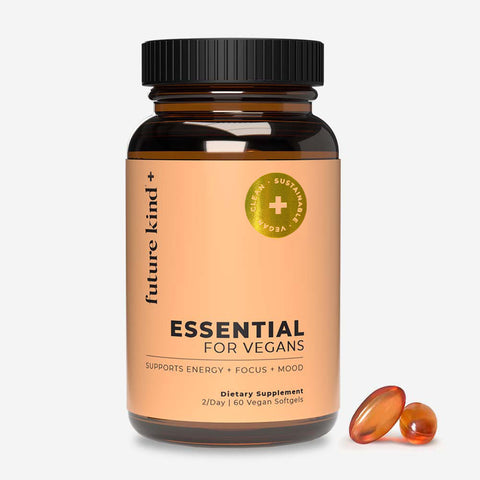
At Future Kind, we take a research-backed approach to iron. Our Vegan Iron Supplement with Natural Vitamin C uses ferrous bisglycinate, a chelated iron form chosen for its combination of good absorption and stomach tolerance, paired with whole-food vitamin C from acerola cherry to support that absorption further. It is a plant-based formula made without animal-derived ingredients. Future Kind supplements are made in a GMP-certified, FDA-regulated US facility and third-party tested for heavy metals and microbial contaminants.
Iron works best as part of a considered routine rather than in isolation. If you are building one from scratch, our guide to the best plant-based supplements for beginners is a good starting point, and our vegan blood test tips explain which markers, including ferritin, are worth checking.
Frequently Asked Questions
What is the best vegan iron supplement?
The best option uses a gentle, well-absorbed form such as ferrous bisglycinate, paired with vitamin C for better absorption, uses a plant-based capsule, and is third-party tested. A moderate daily dose taken consistently matters more than a high number on the label.
Do plant-based eaters need iron supplements?
Some do and some do not. Menstruating people, endurance athletes, and anyone with low ferritin on bloodwork are the most likely to benefit. Many others meet their needs through iron-rich foods and good absorption habits.
Why should iron be taken with vitamin C?
Vitamin C improves the absorption of non-heme iron, the form found in plant foods and most vegan supplements. Taking them together helps your body use more of the iron you consume.
What is the gentlest iron supplement for a sensitive stomach?
Chelated forms such as ferrous bisglycinate are generally gentler on the stomach than ferrous sulfate. Taking iron with food and choosing a moderate dose canreduce the chance of nausea or constipation.
Should I take iron every day?
Many people take iron daily when there is a clear need, but requirements vary a lot by individual. Because iron can accumulate in the body, it is best to base ongoing supplementation on bloodwork or the guidance of a healthcare professional.
FDA and Medical Disclaimer
This article is for informational purposes only and does not constitute medical advice. These statements have not been evaluated by the Food and Drug Administration. Dietary supplements are not intended to diagnose, treat, cure, or prevent any disease. Always consult a qualified healthcare professional before starting any supplement, especially if you are pregnant, breastfeeding, taking medication, or managing a health condition.