If you take iron, or you are thinking about it, one of the simplest, highest-impact things you can do is pair it with vitamin C. This is especially true on a plant-based diet, where most of your iron comes in a form the body absorbs less efficiently - non-heme iron. Vitamin C is one of the few levers that reliably improves how much of that iron you actually use.
This guide explains why the two work together, how much vitamin C helps, and how to time iron for the best results, all without medical claims or hype.
Quick Answers
Does vitamin C help iron absorption? Yes. Vitamin C helps converts non-heme iron into a form the body absorbs more easily and helps counteract compounds in plant foods that block absorption.
How much vitamin C do you need to boost iron absorption? Even a modest amount of vitamin C, roughly the amount in a small orange or a serving of peppers, can meaningfully improve non-heme iron absorption when taken alongside iron.
What is the best time to take iron? Iron is often best taken on an empty stomach for absorption, but with food if that causes discomfort. Pairing it with a source of vitamin C helps either way.
Should you avoid coffee and tea with iron? Yes. Tannins in coffee and tea can reduce non-heme iron absorption, so it helps to separate them from your iron by an hour or two.
Why the pairing matters on a plant-based diet
Iron comes in two dietary forms. Heme iron, from animal foods, is absorbed relatively efficiently. Non-heme iron, from plants and most supplements, is absorbed at a lower and more variable rate, and it is sensitive to what you eat alongside it.
Vitamin C changes this in two useful ways. It converts non-heme iron into a form that is easier for the gut to take up, and it helps offset the effect of phytates, the naturally occurring compounds in grains, legumes, and greens that otherwise reduce iron absorption. In practice, this means the same plate of lentils and greens delivers more usable iron when there is vitamin C on the table with it.
How to actually use this
You do not need to overthink it. A few simple habits make a real difference:
-
Pair iron-rich foods with vitamin C. Add peppers, citrus, tomatoes, strawberries, or broccoli to meals built around lentils, beans, tofu, or leafy greens.
-
Take your iron supplement with a vitamin C source. A combined iron and vitamin C supplement does this automatically, which is why the two are so often formulated together.
-
Keep coffee and tea separate. Tannins reduce non-heme iron absorption, so enjoy them between meals rather than alongside your main iron sources.
-
Separate iron and calcium. Calcium can compete with iron for absorption, so it is best not to take a calcium supplement at the same time as iron.
How much vitamin C is enough
You do not need a megadose. A moderate amount of vitamin C taken with iron is enough to improve absorption for most people. This is one reason a combined formula uses a sensible, everyday level of vitamin C rather than an extreme one. If you are getting vitamin C from food, a single vitamin C rich item at the same meal is usually plenty.
Timing: empty stomach or with food?
Iron tends to absorb best on an empty stomach, but it also causes more stomach discomfort that way for some people. The practical answer is to take it whichever way you tolerate best, and to include a vitamin C source either way. Consistency matters more than perfect timing. A daily dose you actually take beats an ideal schedule you skip.
For a fuller picture of how iron fits alongside other nutrients through the day, see our plant-based supplement schedule.
Iron, vitamin C, and energy
Low iron is a common contributor to fatigue on a plant-based diet, though it is not the only one. B12, hydration, and overall meal balance all play a part. If tiredness is your main concern, it is worth looking at the full picture rather than assuming iron is the answer. Our guide on boosting energy on a plant-based diet walks through the common causes, and bloodwork can confirm whether iron is actually low. Our vegan blood test tips explain what to check.
A combined option from Future Kind
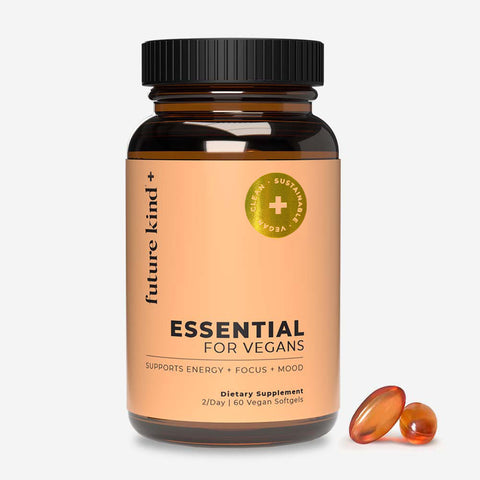
Our Vegan Iron Supplement with Natural Vitamin C pairs iron with natural vitamin C in a single daily supplement, so the absorption benefit is built in. It is made without animal-derived ingredients. Future Kind supplements are made in a GMP-certified, FDA-regulated US facility and third-party tested for contaminants, including heavy metals and microbial pathogens. If you want to understand the different iron forms first, our best vegan iron supplements guide breaks them down.
Frequently Asked Questions
Does vitamin C really improve iron absorption?
Yes. Vitamin C converts non-heme iron into a form the body absorbs more readily and helps counteract plant compounds that otherwise block absorption. Taking them together increases the amount of iron your body can use.
How much vitamin C should I take with iron?
A moderate amount is enough. Roughly the vitamin C in a small orange or a serving of peppers, or the level found in a combined iron and vitamin C supplement, is sufficient to improve absorption for most people.
Can I just eat vitamin C rich foods instead of a supplement?
Yes. Adding citrus, peppers, tomatoes, or broccoli to iron-rich meals is an effective, food-first way to improve absorption. A combined supplement simply makes it consistent and convenient.
What blocks iron absorption?
Coffee and tea contain tannins that reduce non-heme iron absorption, and calcium can compete with iron. Separating these from your main iron sources by an hour or two helps.
When is the best time to take iron and vitamin C?
Iron often absorbs best on an empty stomach, but take it with food if that is gentler for you. Include a vitamin C source either way, and keep the timing consistent day to day.
FDA and Medical Disclaimer
This article is for informational purposes only and does not constitute medical advice. These statements have not been evaluated by the Food and Drug Administration. Dietary supplements are not intended to diagnose, treat, cure, or prevent any disease. Always consult a qualified healthcare professional before starting any supplement, especially if you are pregnant, breastfeeding, taking medication, or managing a health condition.