Searching for the best plant-based multivitamin for women can get confusing fast.
Some reviews make it sound like every woman on a plant-based diet needs iron. Others treat methylfolate as automatically better than folic acid. Some suggest calcium should be packed into every women’s multi, even though calcium is bulky and may be better taken separately.
The truth is more personal than that.
Women’s supplement needs can change depending on menstruation, pregnancy planning, menopause, diet quality, sun exposure, bloodwork, and whether you already take separate nutrients like B12, D3, omega-3, iron, or calcium.
A good plant based women’s multivitamin should not try to be everything for everyone. It should help fill realistic nutrient gaps while making it clear who the formula is for and who may need something more specific.
Below, we’ll cover the nutrients women on plant-based diets should pay attention to, how to read a supplement label, and our top plant-based multivitamin picks for 2026.
Why women on a plant-based diet may need different support
A plant-based diet is not automatically low in nutrients. A varied routine built around legumes, whole grains, nuts, seeds, fruits, vegetables, fortified foods, and healthy fats can be deeply nourishing.
But some nutrients can be harder to obtain consistently without animal-derived foods or fortified foods. For women, a few life-stage factors can make this more important:
-
Menstruation can increase iron needs.
-
Pregnancy planning increases the importance of nutrients like folate, iodine, iron, and DHA.
-
Breastfeeding may increase several nutrient demands.
-
Menopause can shift attention toward bone-support nutrients like vitamin D, calcium, magnesium, and K2.
-
Low intake of fortified foods can make B12 and vitamin D harder to cover.
This does not mean every woman needs the same multivitamin. It means the best formula depends on your actual routine.
Nutrients that matter most for plant-based women
Vitamin B12
Vitamin B12 is one of the most important nutrients for people eating fully plant-based diets because it is not reliably found in unfortified plant foods.
Fortified nutritional yeast, fortified plant milks, and fortified cereals may provide B12, but the key word is “fortified.” If you do not eat these foods consistently, a supplement is the more reliable option.
When choosing a multivitamin, look for a clearly listed B12 form and a meaningful dose. Methylcobalamin, adenosylcobalamin, and cyanocobalamin can all support B12 levels when dosed properly. Methylcobalamin and adenosylcobalamin are active forms of B12. Cyanocobalamin is also commonly used and can be effective, although it requires conversion.
The form matters, but dose, consistency, and absorption matter too.
Helpful internal links:
Vitamin D3
Vitamin D supports bone health, immune function, and overall wellness. Your body can make vitamin D from sunlight, but that depends on where you live, the season, your skin tone, age, sunscreen use, and how much time you spend outside.
For plant-based and vegan-friendly formulas, look for D3 sourced from lichen rather than lanolin. D3 is generally preferred over D2 for maintaining vitamin D levels.
Some women may need a dedicated vegan vitamin D3 supplement, while others may get enough from a multivitamin and regular sun exposure. Bloodwork can help clarify where you stand.
Omega-3 DHA and EPA
Flax, chia, hemp seeds, and walnuts are healthy foods and useful sources of ALA, a plant-based omega-3 fat.
But ALA does not reliably replace direct DHA and EPA for everyone. DHA and EPA are the long-chain omega-3s commonly discussed for brain and heart health support, and algae oil is the direct plant-based source.
Many multivitamins do not include meaningful DHA/EPA, which makes algae-based omega-3 worth checking for. If your multivitamin does not include it, a dedicated vegan omega-3 supplement may be worth considering.
Iron
Iron is where women’s multivitamin advice often gets too broad.
Premenopausal women generally need more iron than men because of menstrual blood loss. Plant-based eaters may also need to pay closer attention because plant foods contain non-heme iron, which is absorbed differently than heme iron from animal foods.
That said, not every woman should take iron in a multivitamin.
People with heavy periods or low ferritin levels may benefit from targeted iron support. Many postmenopausal women should avoid supplemental iron unless bloodwork or a healthcare professional suggests it.
That is why iron is not automatically a must-have in every plant-based multivitamin for women. If iron support is needed, a dedicated Iron + Vitamin C supplement can allow more targeted dosing.
Bloodwork beats guessing.
Folate, folic acid, and methylfolate
Folate matters for cell division and red blood cell formation. It becomes especially important for people who are trying to conceive or could become pregnant.
Here is the nuance: folic acid has the strongest evidence for neural tube defect prevention. Methylfolate is a biologically active form of folate that can effectively raise folate status and is used in many modern formulas, but it should not be described as proven superior for neural tube defect prevention.
For general wellness, methylfolate may be perfectly reasonable. For pregnancy planning, folate guidance belongs in a dedicated prenatal conversation.
If you are trying to conceive, pregnant, breastfeeding, or could become pregnant, choose a dedicated vegan prenatal vitamin and review your supplement routine with a qualified healthcare professional.
Iodine
Iodine supports normal thyroid function. It is worth paying attention to if you do not use iodized salt, eat seaweed, or consume other reliable iodine sources.
This does not mean all plant-based women are low in iodine. It means your habits matter. A consistent, controlled-dose supplement may be useful if iodine is not reliable in your diet.
Helpful internal link: Best Iodine Sources
Zinc
Zinc supports immune function, wound healing, and normal cellular processes. Plant foods such as legumes, grains, seeds, and nuts can provide zinc, but phytates in those same foods can reduce absorption.
Chelated forms such as zinc bisglycinate or zinc picolinate are often chosen for absorption. Zinc oxide is commonly used and still provides zinc, although some formulas may prioritize other forms.
Avoid blanket rules like “zinc oxide is always bad.” A formula should be judged as a whole.
Calcium
Calcium is important for bone health, but it is often better handled separately from a multivitamin.
Calcium is bulky, and a meaningful dose can make pills large. It can also compete mainly with iron for absorption, and potentially with zinc and magnesium. That is why some well-designed formulas leave calcium out intentionally.
If your calcium intake is low, look at fortified plant milks, calcium-set tofu, leafy greens, tahini, and a dedicated vegan calcium supplement if needed.
How we evaluated the best plant-based multivitamins for women
We looked at each formula through a practical lens:
-
Nutrient fit: Does the formula address realistic plant-based nutrient gaps?
-
Life-stage fit: Is it appropriate for general adult use, pregnancy planning, menopause, or specific needs?
-
Formula clarity: Are nutrient forms and doses easy to understand?
-
Ingredient sourcing: Does it avoid animal-derived ingredients like gelatin, fish oil, and lanolin-derived D3?
-
Testing and quality information: Does the product page provide current testing or quality details?
-
What is missing: Are omissions intentional, or do they leave important gaps?
We also avoided treating one formula as perfect for everyone. A multivitamin for a menstruating 28-year-old, a pregnant person, and a postmenopausal 58-year-old should not always look the same.
The best plant-based multivitamins for women in 2026
1. Future Kind Foundations — Best focused plant-based multivitamin for women who want broader daily coverage
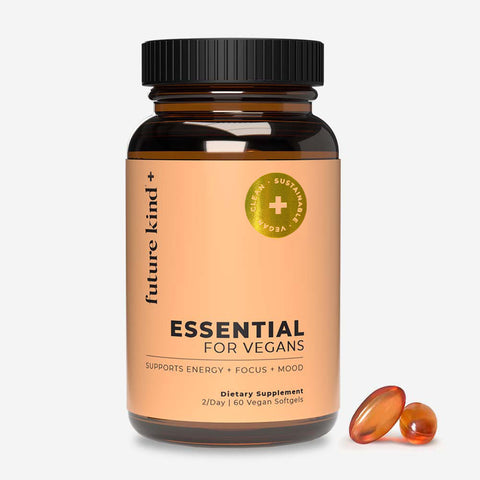
Future Kind Foundations is a broader daily multivitamin designed for plant-based eaters who want more coverage than the Future Kind Essential formula, without a 40-ingredient “kitchen sink” approach.
It includes eight nutrients commonly discussed in plant-based nutrition:
-
Vitamin B12
-
Vitamin D3
-
Omega-3 DHA/EPA
-
Vitamin K2
-
Iodine
-
Zinc
-
Magnesium
-
Selenium
This makes Future Kind Foundations a strong fit for women who want targeted support for common plant-based nutrient gaps in one routine.
What we like:
Future Kind Foundations includes algae-based omega-3 DHA/EPA, which is uncommon in many multivitamins. It also includes lichen-derived D3, iodine, zinc, magnesium, K2, and selenium, giving it broader coverage than Future Kind Essential.
It is designed for plant-based and vegan diets, uses easy-to-swallow capsules, and has testing information available on the product page.
Worth noting:
Future Kind Foundations does not include iron, calcium, folate, or a full B complex. For many people, that is intentional and practical. For others, it means Future Kind Foundations may need to be paired with a dedicated supplement or replaced with a more life-stage-specific formula.
If you need iron, consider dedicated iron support. If your calcium intake is low, consider a separate calcium supplement. If you are trying to conceive or pregnant, use a prenatal instead.
Best for:
Plant-based women who want a focused, broader daily multivitamin that covers B12, D3, omega-3, iodine, zinc, magnesium, K2, and selenium.
Not ideal for:
Pregnancy planning, pregnancy, people who specifically need iron, people who specifically need calcium, or people who want folate and a full B complex in their daily multi.
CTA: Explore Future Kind Foundations
2. Garden of Life Organics Women’s Multi — Best organic whole-food option
Garden of Life Organics Women’s Multi is a whole-food-style women’s multivitamin made with a blend of organic fruits, vegetables, and herbs.
Its current product page highlights certified organic ingredients, vitamin B12, vegan D3 from lichen, and iron. This makes it a reasonable option for shoppers who prioritize organic certification and a broad food-based formula.
What we like:
It has a broad nutrient profile and may appeal to women who want an organic whole-food multivitamin. It includes iron, which may be useful for some menstruating women.
Worth noting:
Iron is not right for everyone. Postmenopausal women or anyone who has been told to avoid supplemental iron should review the label carefully.
Whole-food-style formulas can also be harder to compare directly against more targeted formulas because they often emphasize food blends and broader ingredient lists. If you are planning pregnancy, check folate details carefully and talk with a healthcare professional.
Best for:
Women who prioritize organic certification and want a broader food-based formula with iron.
Not ideal for:
People avoiding iron, people who want a very targeted formula for a plant-based diet, or anyone relying on a general multi for pregnancy planning.
3. Ritual Essential for Women 18+ — Best minimalist transparent option
Ritual Essential for Women 18+ is designed around a minimalist philosophy. Rather than providing broad nutrient coverage, it focuses on a smaller group of nutrients selected for women ages 18 to 49. Its product page highlights traceable sourcing, delayed-release capsules, third-party testing, and vegan-friendly ingredients such as microalgae-derived DHA and lichen-derived vitamin D3.
What we like:
Ritual stands out for its transparency and straightforward formula. Women who prefer a minimalist supplement and want detailed sourcing information may appreciate its approach. The inclusion of algae-based DHA and lichen-derived vitamin D3 is also a plus for plant-based lifestyles.
Worth noting:
The same minimalist approach that appeals to some users may feel limiting for others. Ritual does not include several nutrients that are commonly discussed in plant-based nutrition, including magnesium, zinc, selenium, iodine, and vitamin K2.
For women looking for broader vegan nutrient coverage in a single formula, Future Kind Foundations takes a more comprehensive approach by combining B12, D3, omega-3 DHA/EPA, iodine, zinc, selenium, magnesium, and K2 in one supplement. This may reduce the need for additional products while still focusing on nutrients commonly prioritized in plant-based diets.
Best for:
Women who prefer a minimalist formula and place a high value on ingredient transparency and traceability.
Not ideal for:
People looking for more comprehensive plant-based nutrient coverage from a single supplement.
4. MegaFood Women’s One Daily — Best one-tablet vegetarian option
MegaFood Women’s One Daily is a one-tablet multivitamin designed for women and built around a more traditional multivitamin approach. Its product page highlights iron, food-paired nutrients, and the convenience of being taken any time of day, even on an empty stomach.
What we like:
The one-tablet serving is simple and convenient. It also includes iron, which may be beneficial for some menstruating women who have higher iron needs. MegaFood is transparent about why it does not include meaningful amounts of calcium or magnesium, noting the practical challenges of fitting larger minerals into a once-daily tablet.
Worth noting:
While MegaFood provides broad vitamin and mineral coverage, it is not specifically formulated around the nutrients most commonly discussed in plant-based nutrition. It also does not include algae-based omega-3 DHA/EPA, meaning some plant-based eaters may need an additional omega-3 supplement to round out their routine.
Best for:
Women who want a convenient one-tablet multivitamin and are looking for a more traditional nutrient profile.
Not ideal for:
People seeking a formula specifically designed around common plant-based nutrient considerations or those who want algae-based omega-3 included in their daily multivitamin.
Our pick for plant-based women: Future Kind Foundations
For plant-based women who are not pregnant or trying to conceive, Future Kind Foundations is our top focused pick because it is built around several of the nutrients that plant-based eaters commonly need to think about: B12, D3, omega-3 DHA/EPA, iodine, zinc, magnesium, K2, and selenium.
It is especially useful if you want more coverage than Future Kind Essential, but do not want an oversized formula with dozens of ingredients you may not need.
The important caveat is that Future Kind Foundations is not a prenatal, and it does not include iron, calcium, folate, or a full B complex. Those are not mistakes, but they do matter depending on your targeted nutritional needs.
If you need targeted iron support, consider Iron + Vitamin C. If you need calcium support, consider Vegan Calcium. If you are pregnant or trying to conceive, choose Vegan Prenatal.
CTA: See the Foundations formula
How to read a plant-based women’s multivitamin label
Look for a reliable B12 source
A plant-based multivitamin should clearly list vitamin B12. Methylcobalamin, adenosylcobalamin, and cyanocobalamin can all be effective when dosed properly.
Avoid formulas that make B12 sound impressive but provide only a tiny amount.
Check the D3 source
For vegan-friendly formulas, D3 should come from lichen rather than lanolin. If the product page does not say where the D3 comes from, check with the brand.
Decide whether iron belongs in your formula
Iron may make sense for some menstruating women, especially those with low ferritin levels or heavy periods. It may not make sense for many postmenopausal women or people who already have adequate iron levels.
This is one of the strongest reasons to base your supplement routine on bloodwork when possible.
Do not rely on a standard multi for pregnancy
Pregnancy and preconception can significantly change nutrient needs, particularly for nutrients such as folate, iodine, iron, and DHA. A standard multivitamin is not designed to meet the unique demands of pregnancy, which is why a dedicated prenatal supplement is typically the more appropriate choice. If you are pregnant, trying to conceive, or could become pregnant, review your supplement routine with a qualified healthcare professional.
Understand calcium omissions
A women’s multivitamin does not have to include calcium to be well-designed. Calcium is bulky and can compete mainly with iron, and potentially with zinc and magnesium, for absorption.
If you need calcium support, a separate supplement taken at a different time may be more practical.
Review testing and certification language carefully
Testing and certifications can be helpful, but be specific. Third-party testing helps screen for contaminants and supports product safety, but it does not automatically prove a product is allergen-free or right for every person.
The product page is the best place to check current testing information.
Frequently asked questions
What is the best plant-based multivitamin for women?
The best plant-based multivitamin for women depends on your life stage, diet, bloodwork, and current supplement routine. For broad daily support on a plant-based diet, Future Kind Foundations is a strong focused option. For pregnancy or trying to conceive, a dedicated prenatal is the better fit.
Do women need a different multivitamin than men?
Sometimes, but not necessarily. The biggest differences usually relate to iron needs, reproductive health, and life stage rather than sex alone. For example, menstruating women often have higher iron requirements than men, while many postmenopausal women may not need supplemental iron at all.
Factors such as pregnancy planning, breastfeeding, age, diet quality, and individual nutrient status can have a greater impact on supplement needs than whether a product is labeled "for women" or "for men."
Should a plant-based women’s multivitamin include iron?
Not necessarily. Iron may be helpful for menstruating women with low dietary iron intake, heavy menstrual bleeding, or low ferritin levels. For others, supplemental iron may be unnecessary or inappropriate. When bloodwork identifies an iron deficiency or low iron stores, a dedicated iron supplement may be more appropriate than relying on a multivitamin alone.
Does Future Kind Foundations include iron?
No. Foundations does not include iron. If your ferritin is low or you have heavy periods, a dedicated iron supplement may be a better tool than relying on a multivitamin.
Does Future Kind Foundations include calcium?
No. Foundations does not include calcium. Calcium is bulky and is often better as a dedicated supplement, especially if you need a meaningful dose.
Does Future Kind Foundations include folate?
No. Foundations does not include folate. If you are trying to conceive, pregnant, breastfeeding, or could become pregnant, use a dedicated prenatal and review your supplement routine with a healthcare professional.
Can I take a plant-based multivitamin while pregnant?
A standard multivitamin is usually not the best choice during pregnancy or when trying to conceive. Pregnancy changes nutrient needs, so a dedicated prenatal is typically the better tool.
What time of day should women take a multivitamin?
Many people take a multivitamin with breakfast or lunch. Taking it with food can support tolerance and help with absorption of fat-soluble vitamins. Consistency matters more than the exact hour.
Can I take a multivitamin with other supplements?
Usually, but check for overlap. Pay special attention to iron, iodine, vitamin D, vitamin A, and other nutrients with upper intake limits. If you take medication or manage a health condition, ask a qualified healthcare professional or pharmacist to review your routine.
The bottom line
The best plant-based multivitamin for women is not the one with the longest ingredient list. It is the one that fits your diet, your bloodwork, and your life stage.
For general plant-based daily support, look for reliable B12, vegan-friendly D3, thoughtful mineral choices, and clear testing information. Pay attention to omega-3 DHA/EPA, iodine, zinc, magnesium, and whether iron or calcium should be handled separately.
Future Kind Foundations is a strong focused option for plant-based women who want broader daily coverage without a 40-ingredient formula. Just remember: it is not a prenatal, and it does not include iron, calcium, folate, or a full B complex.
If Future Kind Foundations fits your routine, explore the formula here.
FDA & Medical Disclaimer
This article is for informational purposes only and does not constitute medical advice. These statements have not been evaluated by the Food and Drug Administration. Dietary supplements are not intended to diagnose, treat, cure, or prevent any disease. Always consult a qualified healthcare professional before starting any supplement, especially if you are pregnant, breastfeeding, taking medication, or managing a health condition.