A plant-based diet can provide plenty of fiber, antioxidants, minerals, and beneficial phytonutrients. But depending on food choices and overall diet variety, some nutrients may require more intentional attention.
That is where a plant-based multivitamin may help. Not because plant-based eating is incomplete by default, and not because every vegan needs a massive 40-ingredient supplement formula. A good plant-based multivitamin should help cover nutrients that are harder to get consistently from plants alone, without adding nutrients you may not need.
The tricky part is that the supplement aisle can be confusing. Some formulas look plant-based on the front of the label but may still include animal-derived ingredients. Some use impressive-sounding nutrient forms without meaningful doses. Others include long ingredient lists that look comprehensive but may not match the real needs of plant-based eaters.
This guide breaks down what a plant based multivitamin actually is, which nutrients are worth paying attention to, and how to choose one without falling for label hype.
What does “plant-based” mean on a multivitamin label?
In everyday use, a plant-based multivitamin generally refers to a formula designed for people who follow mostly or fully plant-based diets. In practice, that usually means the supplement is made without animal-derived ingredients and uses plant, algae, fermentation, or mineral-based nutrient sources where possible.
At the same time, “plant-based” is not a formal regulatory definition or certification. That is why it is still important to review the ingredient list carefully, since some animal-derived ingredients are not always obvious at first glance.
Common ingredients to watch out for and avoid include:
-
Gelatin, often used in capsules or softgels
-
Lanolin-derived vitamin D3, which comes from sheep’s wool
-
Beeswax, sometimes used in softgels
-
Collagen, unless it is clearly labeled as a plant-based collagen booster
-
Fish-derived omega-3s, often listed as fish oil
Third-party certifications can be helpful, but they are not the only way to evaluate whether a supplement aligns with vegan or plant-based preferences. In supplements especially, ingredient sourcing often provides more meaningful context than a logo alone. For example, algae-based DHA/EPA instead of fish oil or lichen-derived vitamin D3 instead of lanolin-derived D3 are formulation choices many plant-based consumers specifically look for.
A practical approach is to review the ingredient sources, capsule materials, omega-3 source, vitamin D source, added excipients, and overall company transparency rather than relying on a certification badge alone.
Is plant-based the same as vegan?
Not always.
“Vegan” typically means no animal-derived ingredients. “Plant-based” can be a little broader and is sometimes used for products that are mostly plant-sourced or designed for plant-forward diets.
For supplements, it is safest to treat the terms as related but not identical. A product can be marketed toward plant-based eaters while still using ingredients that a strict vegan may avoid. That is why the source of vitamin D3, the capsule material, and the omega-3 source matter.
A truly vegan-friendly plant-based multivitamin should use options such as plant cellulose capsules, lichen-derived D3, and algae-based omega-3 instead of gelatin, lanolin-derived D3, or fish oil.
Nutrients plant-based eaters should pay attention to
A well-planned plant-based diet can cover many nutrient needs. The goal is not to supplement everything. The goal is to understand which nutrients are harder to get reliably and which ones depend on your diet, bloodwork, and life stage.
Vitamin B12
Vitamin B12 is one of the most important nutrients for people eating fully plant-based diets because it is not reliably found in unfortified plant foods.
Some foods, such as nutritional yeast, breakfast cereals, and plant milks, may contain B12 if they are fortified. But that depends on the product and how consistently you eat it.
A plant-based multivitamin should include B12 in a clear, meaningful dose. Methylcobalamin, adenosylcobalamin, and cyanocobalamin can all support B12 levels when dosed properly. The form matters, but dose, consistency, and absorption matter too.
For a deeper breakdown, see Future Kind’s guide to cyanocobalamin vs. methylcobalamin or the guide to adenosylcobalamin B12.
Vitamin D3
Vitamin D supports bone health and immune function. Your body can make vitamin D from sunlight, but that depends on the season, latitude, skin tone, age, sunscreen use, and how much time you spend outside.
For a vegan-friendly formula, look for vitamin D3 sourced from lichen rather than lanolin. D3 is generally preferred over D2 for maintaining vitamin D levels.
That said, not every plant-based eater needs the same amount. Someone living in a sunny climate with regular sun exposure may have different needs than someone who lives farther north or spends most of the day indoors.
Omega-3 DHA and EPA
Flax, chia, hemp seeds, and walnuts are valuable foods. They provide ALA, a plant-based omega-3 fatty acid.
The catch is that conversion of ALA into DHA and EPA can be limited and variable between individuals. DHA and EPA are the long-chain omega-3s most often associated with brain and heart health support, and algae oil is the direct plant-based source.
This is one reason algae-based omega-3 is worth looking for in a plant-based routine. Some multivitamins do not include meaningful DHA/EPA, so you may need a separate vegan omega-3 supplement if your multi does not provide it.
Iodine
Iodine supports normal thyroid function. Plant-based eaters may want to pay attention to iodine if they do not use iodized salt, eat seaweed, or consume other reliable iodine sources.
This does not mean every plant-based eater is low in iodine. It means your food habits matter. If you use iodized salt regularly, your needs may be different from someone who only uses sea salt or Himalayan salt and avoids seaweed.
A consistent, controlled-dose supplement can be useful for people who do not get reliable iodine from food.
Zinc
Zinc supports immune function, wound healing, and normal cellular processes. Plant-based diets can provide zinc through legumes, seeds, nuts, and whole grains, but these foods also contain phytates, which can reduce zinc absorption.
Chelated forms such as zinc bisglycinate or zinc picolinate are often chosen for absorption. Zinc oxide is also commonly used and still provides zinc, although other forms may be preferred in some formulas.
The key is not to chase exaggerated claims. Zinc is important, but extra zinc does not raise testosterone above normal levels in people who already have adequate zinc.
Iron
Iron needs vary a lot. Menstruating people, people with heavy periods, and people with low ferritin on bloodwork may need more iron support. Many men and postmenopausal women should not add iron without a reason because iron can build up in the body.
A plant-based multivitamin does not automatically need iron to be “good.” For many people, a dedicated Iron + Vitamin C supplement may make more sense than relying on a multivitamin, especially when bloodwork shows a clear need.
Bloodwork is more useful than guessing here.
Calcium
Calcium is important for bone health, but it is also bulky. A meaningful calcium dose can make capsules large and may compete with iron, and potentially zinc and magnesium, for absorption.
That is why calcium is often better as a dedicated supplement rather than being squeezed into a multivitamin. If your calcium intake is low, consider reviewing your diet first, then look at a dedicated vegan calcium supplement if needed.
Where Future Kind Foundations fits
Future Kind has different multivitamin options for different needs.
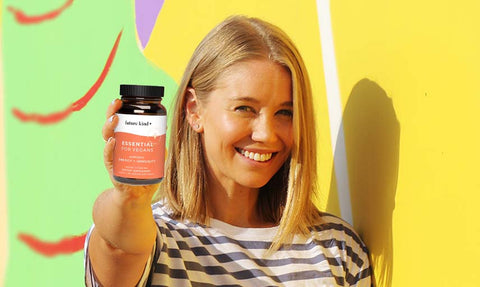
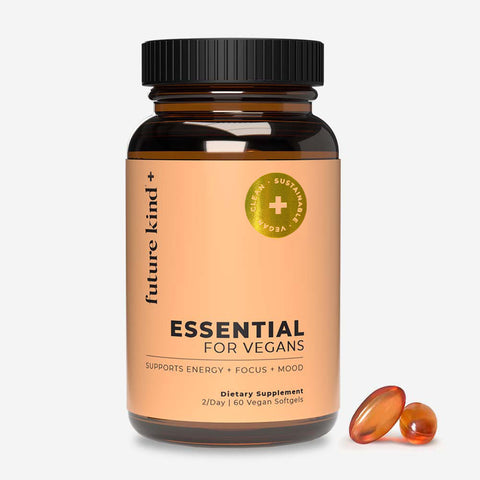
Essential for Vegans is the original simpler formula focused on B12, D3, and omega-3. It may be a good fit for people who want the core plant-based essentials in a simple routine.
Foundations Plant-Powered Multivitamin is the broader option. It is designed for plant-based eaters who want more coverage than Future Kind Essential without using a huge 40-ingredient approach.
Future Kind Foundations includes eight nutrients commonly discussed in plant-based nutrition:
-
Vitamin B12
-
Vitamin D3
-
Omega-3 DHA/EPA
-
Vitamin K2
-
Iodine
-
Zinc
-
Magnesium
-
Selenium
That makes it a stronger fit for people who want targeted daily coverage for several common plant-based nutrient gaps in one product.
It is also important to be clear about what Foundations does not include. Foundations does not include iron, calcium, folate, or a full B complex. That is intentional, but it means it is not the right tool for every situation.
If you need iron, a dedicated iron supplement may be a better fit. If you need calcium, a dedicated calcium supplement may make more sense. If you are pregnant or trying to conceive, use a dedicated vegan prenatal vitamin instead of a standard multivitamin.
So, do you actually need a plant-based multivitamin?
The honest answer is: it depends.
If you eat a fully plant-based diet, you need a reliable source of B12. That may come from a dedicated B12 supplement , fortified foods, or a multivitamin that provides a meaningful dose.
For everything else, your needs depend on your diet, sun exposure, use of iodized salt, life stage, health history, and bloodwork.
A plant-based multivitamin may be worth considering if:
-
You want a simple way to cover several common plant-based nutrient gaps
-
You do not consistently eat fortified foods
-
You do not take separate B12, D3, iodine, or omega-3 supplements
-
You are new to plant-based eating and want a simpler routine
-
Your bloodwork or healthcare professional suggests you pay closer attention to specific nutrients
A multivitamin may be less necessary if:
-
You already take targeted supplements based on bloodwork
-
Your diet is well planned and includes fortified foods consistently
-
You prefer to supplement individual nutrients separately
-
You are pregnant or trying to conceive and need a prenatal instead
A multivitamin is not magic. It is a tool. The right one can help fill nutrient gaps, but it should match your actual routine rather than replace a thoughtful diet.
For a beginner-friendly overview, see Future Kind’s guide to plant-based supplements for beginners.
How to choose a plant-based multivitamin without getting fooled
1. Read the ingredient list, not just the front label
Marketing terms like “clean,” “premium,” and “natural” can sound appealing, but they do not tell you much about the actual formulation. The ingredient list and supplement facts panel are usually more informative.
Look closely at the nutrient forms, capsule materials, and omega-3 sources used in the formula. If you are trying to avoid animal-derived ingredients, check for ingredients such as gelatin, lanolin-derived vitamin D3, beeswax, collagen unless it is clearly labeled as a vegan alternative or plant-based collagen-support formula, and fish oil.
2. Look for nutrients that fit plant-based needs
A strong plant-based multivitamin should not simply copy a generic multivitamin formula. It should prioritize nutrients that plant-based eaters commonly need to think about, such as B12, D3, DHA/EPA, iodine, zinc, and sometimes magnesium or selenium.
More ingredients do not automatically mean a better formula. Sometimes a focused formula is more useful than a long list of low-dose extras.
3. Check what is missing
What a formula leaves out can be just as important as what it includes.
Iron is useful for some people and unnecessary for others. Calcium is often better taken separately. Folate matters more if you are trying to conceive or could become pregnant, which is one reason a prenatal is different from a standard multivitamin.
4. Be careful with certification and testing claims
Certifications and testing can be helpful, but claims should be specific and verifiable.
Look for current product-page information about testing, allergen statements, ingredient sourcing, and supplement facts. Third-party testing can help screen for contaminants and support product safety, but it should not be treated as a guarantee that a product is allergen-free or automatically right for every person.
If you have a severe allergy, review the current product page and contact the brand directly before using the supplement.
5. Match the formula to your life stage
This is where many people go wrong.
A standard plant-based multivitamin can be useful for general daily support, but nutrient needs can change significantly depending on life stage and individual circumstances. Pregnancy, breastfeeding, heavy menstrual cycles, low ferritin levels, diagnosed nutrient deficiencies, medication use, and other health conditions can all influence what is appropriate for you. It is important to review supplement use with a qualified healthcare professional when these factors apply.
For pregnancy or when trying to conceive, a dedicated prenatal formula is typically more appropriate, along with personalized guidance from a qualified healthcare professional.
Frequently asked questions
Are plant-based multivitamins effective?
They can be, when they contain the right nutrients in meaningful amounts and forms your body can use. The phrase “plant-based” alone does not prove effectiveness. The supplement facts panel, ingredient list, testing information, and your personal needs matter more.
Can I get everything I need from food?
Many nutrients can come from a well-planned plant-based diet. B12 is the main exception because it is not reliably found in unfortified plant foods. Vitamin D, iodine, omega-3 DHA/EPA, zinc, iron, and calcium depend more on your diet, sun exposure, food choices, and bloodwork.
What is the difference between a plant-based multivitamin and a vegan multivitamin?
A vegan multivitamin should be made without animal-derived ingredients. A plant-based multivitamin is usually designed for plant-based eaters, but the term can be broader. Check the capsule material, D3 source, omega-3 source, and full ingredient list.
Should a plant-based multivitamin include iron?
Not necessarily. Iron needs vary. Menstruating people or people with low ferritin levels may need more iron, while many men and postmenopausal women should avoid supplemental iron unless bloodwork or a clinician suggests it. A dedicated iron supplement can allow more targeted dosing.
Should a plant-based multivitamin include calcium?
Not always. Calcium is bulky and may be better as a dedicated supplement, especially if you need a meaningful dose. If your calcium intake is low, review your diet and consider a separate calcium supplement instead of assuming it belongs in a multi.
Can I take a plant-based multivitamin every day?
Many adults can take a multivitamin daily when used as directed, but it depends on the formula, your other supplements, medications, health conditions, and life stage. Avoid stacking multiple multivitamins, and speak with a healthcare professional if you are pregnant, breastfeeding, taking medication, or managing a medical condition.
Is Future Kind Foundations enough if I am pregnant or trying to conceive?
No. Future Kind Foundations is not a prenatal and should not be positioned as a pregnancy-planning multivitamin. If you are pregnant, breastfeeding, trying to conceive, or could become pregnant, choose a dedicated prenatal and review your routine with a healthcare professional.
The bottom line
A plant-based multivitamin can be a helpful tool, but it should be chosen carefully.
Look for a formula that reflects the real needs of plant-based eaters, not just a long ingredient list. Prioritize B12, D3, omega-3 DHA/EPA, iodine, zinc, and other nutrients that fit your diet and bloodwork. Be cautious with unsupported certification claims, exaggerated health promises, and formulas that try to be everything for everyone.
If you want broader daily coverage than a basic B12, D3, and omega-3 formula, Future Kind Foundations may be worth considering. It is designed for plant-based eaters who want targeted support without a 40-ingredient “kitchen sink” supplement approach.
FDA & Medical Disclaimer
This article is for informational purposes only and does not constitute medical advice. These statements have not been evaluated by the Food and Drug Administration. Dietary supplements are not intended to diagnose, treat, cure, or prevent any disease. Always consult a qualified healthcare professional before starting any supplement, especially if you are pregnant, breastfeeding, taking medication, or managing a health condition.