


Maybe you forgot to reorder. Maybe you’re wondering if you really need them at all. Whatever the reason, the question is a fair one: what actually happens if you stop taking supplements?
The answer depends on which supplements you’re taking, how long you’ve been taking them, and whether your diet alone can fill the gap. For vegans especially, certain nutrients are nearly impossible to get from food alone, which means the consequences of stopping can be more significant than you might expect.
It Doesn’t Happen Overnight
Your body is resilient. It stores certain nutrients and can draw on those reserves for weeks or even months before levels drop low enough to cause noticeable symptoms. That’s part of what makes nutrient deficiencies so sneaky. You won’t feel the difference on day one, or even day thirty. But by the time symptoms show up, you may already be significantly depleted.
How quickly things change depends entirely on the nutrient. Water-soluble vitamins like B12 and vitamin C are used up or excreted regularly, so your body relies on consistent intake. Fat-soluble vitamins like D3 are stored in body fat and can sustain you longer, but those reserves aren’t infinite either.
What Happens Nutrient by Nutrient
Vitamin B12. Your liver stores enough B12 to last roughly 2 to 5 years, which sounds reassuring until you realize that functional deficiency can begin long before your stores are fully emptied. Within a few months of stopping supplementation, many people start experiencing subtle fatigue, difficulty concentrating, and mood changes. Over time, untreated B12 deficiency can lead to irreversible nerve damage. For vegans, there is no reliable food source of B12, making supplementation essential rather than optional. Learn about the best time to take B12 and the different forms available in our cyanocobalamin vs. methylcobalamin comparison.
Omega-3 (DHA & EPA). These essential fatty acids aren’t stored in large reserves. Your brain and cardiovascular system rely on a steady supply, and when intake drops, you may notice changes in focus, mood, and skin quality within weeks. Since the body converts very little plant-based ALA into usable DHA and EPA, vegans who stop supplementing have few dietary alternatives. Our Vegan Omega-3 provides both directly from algal oil. Watch for these omega-3 deficiency symptoms if you’ve taken a break.
Vitamin D3. Because D3 is fat-soluble, your body can maintain adequate levels for a few months after stopping, especially if you built up good stores. But if you live in a northern climate or spend most of your day indoors, those reserves deplete faster than you’d think. Low vitamin D is linked to weakened immunity, poor calcium absorption, low energy, and seasonal mood changes. A lichen-sourced vegan vitamin D3 keeps levels stable year-round.
Iron. Iron stores (measured as ferritin) can take months to deplete, but the timeline is much shorter for women, athletes, and anyone with higher iron demands. Symptoms like extreme fatigue, shortness of breath, and feeling constantly cold tend to creep in gradually. Because plant-based iron is harder to absorb, vegans who stop supplementing may find it difficult to rebuild levels through food alone. A combined iron and vitamin C supplement helps maintain healthy levels without stomach discomfort.
Iodine. Your thyroid gland stores some iodine, but it uses it continuously to produce the hormones that regulate your metabolism, energy, and body temperature. Without dairy or seafood, vegans who stop supplementing can develop subclinical thyroid issues that manifest as unexplained weight changes, fatigue, and brain fog. A vegan iodine supplement prevents this from becoming a problem. For food-based options, explore the best iodine sources for vegans.
The Bigger Picture: Compounding Effects
Individual nutrient drops are concerning on their own, but the real risk comes from multiple deficiencies developing at the same time. Low B12 and low iron together amplify fatigue far beyond what either would cause alone. Low vitamin D reduces calcium absorption, which accelerates bone density loss. Low omega-3 combined with low iodine can affect both cognitive function and thyroid health simultaneously.
This compounding effect is why a well-rounded supplement routine matters more than any single vitamin. When you stop everything at once, the cumulative impact can be surprisingly noticeable within just a few months.
Do You Actually Need Supplements as a Vegan?
In short, yes. Some nutrients simply cannot be obtained in adequate amounts from a plant-based diet alone. B12 is the clearest example, but omega-3 DHA/EPA and vitamin D are close behind. This isn’t a flaw of veganism. It’s a reality of modern life and food systems that affects omnivores too (most are deficient in vitamin D and omega-3 without realizing it).
The difference is that vegans who supplement strategically often end up healthier than omnivores who assume their diet covers everything. Being intentional about nutrition is a strength, not a weakness.
The best way to know exactly where you stand is through blood work. Our vegan blood test tips guide explains which markers to test and what healthy levels look like.
Stay Consistent, Stay Covered
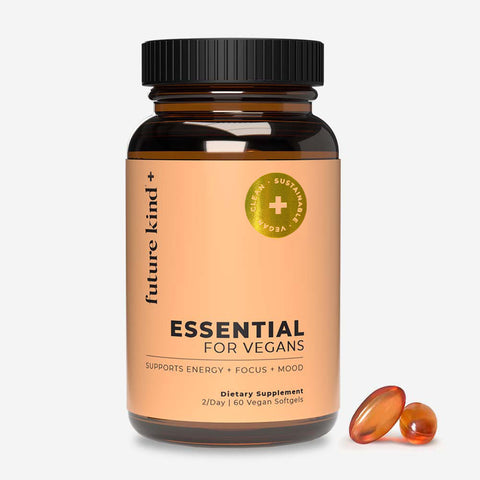
The most effective supplement is the one you take consistently. If managing multiple bottles feels like a chore, simplify your routine with a vegan multivitamin that combines B12, D3, and omega-3 in a single daily dose. For broader coverage, the Complete Vegan Multivitamin adds iron, zinc, iodine, and more.
Browse the full collection of best vegan supplements to build a routine you’ll actually stick with. All products are 100% vegan, third-party tested, and designed to keep your nutrition on track every single day.
FDA & Medical Disclaimer
This article is for informational purposes only and does not constitute medical advice. These statements have not been evaluated by the Food and Drug Administration. Dietary supplements are not intended to diagnose, treat, cure, or prevent any disease. Always consult a qualified healthcare professional before starting any supplement.



Comments (0)
There are no comments for this article. Be the first one to leave a message!