If you eat a plant-based diet, omega-3 is one of the nutrients worth thinking about a little more carefully. The word “omega-3” shows up on flaxseed, chia, and walnut labels, and also on fish oil bottles, which can make the whole topic feel confusing. The short version is that not all omega-3s are the same, and the type many people care most about is harder to get from plants alone.
This guide explains what a plant-based omega-3 supplement actually provides, why an algae oil supplement has become the go-to vegan source of DHA and EPA, how to read a label without getting lost in marketing, and a few simple things to look for before you buy.
ALA, EPA, and DHA: the three omega-3s to know
Omega-3 is a family of fats, and three members matter most in everyday nutrition:
-
ALA (alpha-linolenic acid) is the omega-3 found in plant foods like flaxseed, chia, hemp, and walnuts. It is essential, meaning your body cannot make it and needs to get it from food.
-
EPA (eicosapentaenoic acid) is a longer-chain omega-3 often discussed for heart health and supporting a healthy inflammatory response.
-
DHA (docosahexaenoic acid) is a longer-chain omega-3 that is a structural building block in the brain and eyes.
Here is the part that trips people up. Your body can convert some ALA into EPA and DHA, but for many people that conversion is limited, particularly the conversion to DHA, and it varies from person to person. ALA-rich foods are worth eating regularly, but they do not reliably replace direct EPA and DHA for everyone. For a deeper look, see our guide on omega-3 deficiency.
Why algae oil is the main plant-based source of DHA and EPA
Fish are famous for omega-3, but fish do not make EPA and DHA themselves. They accumulate these fats by eating algae. Algae is the original source of EPA and DHA in the marine food chain, so a plant-based supplement can go straight to it instead of going through fish.
Algae oil is usually grown from microalgae in controlled conditions rather than harvested from the ocean. For plant-based eaters, an algae oil supplement provides a vegan DHA and vegan EPA directly without fish, making it the leading vegan fish oil alternative.
Algae oil vs. flax, chia, and other ALA sources
Flax, chia, hemp, and walnuts provide ALA, not EPA or DHA directly. They are a healthy part of a plant-based diet, but relying on ALA alone means depending on your body’s conversion. An algae-based supplement supplies plant-based DHA and EPA in the forms your body uses directly.
A quick comparison:
|
Source |
Omega-3 provided |
What to keep in mind |
|---|---|---|
|
Flax, chia, hemp, walnuts |
ALA |
Healthy whole foods; conversion to DHA and EPA can be limited |
|
Fish oil |
EPA and DHA |
Direct source, but not suitable for vegan or vegetarian diets |
|
Algae oil |
DHA and EPA |
Plant-based direct source; the usual choice for vegans |
What omega-3 supports in the body
DHA and EPA are studied for several everyday areas of health. Supplements are not medicine, so it helps to think in terms of support rather than treatment:
-
Heart health. EPA and DHA are most often discussed for supporting normal cardiovascular health as part of an overall diet.
-
Brain health. DHA is a structural component of the brain and is frequently studied for supporting normal brain function.
-
Eye health. DHA is concentrated in the retina, which is why it comes up in discussions of supporting normal vision.
-
A healthy inflammatory response. Omega-3s are part of normal cellular function and a balanced inflammatory response.
Individual needs vary depending on your diet, bloodwork, and life stage, so these are general areas of support rather than promises. If you're unsure whether you're getting enough omega-3s, an omega-3 Index blood test can provide a more personalized picture of your DHA and EPA status than diet alone.
How much plant-based omega-3 do you need?
There is no single number that fits everyone. As a general reference point, many health authorities suggest a maintenance intake in the range of a few hundred milligrams of combined EPA and DHA per day for general health, with higher amounts sometimes discussed for specific situations under professional health guidance.
-
Most algae oil supplements emphasize DHA, with smaller amounts of EPA. Some newer formulas aim for a more balanced EPA-to-DHA ratio.
-
Pregnancy, breastfeeding, and certain health goals can change what makes sense for you, so discuss it with a healthcare professional.
-
If you take blood-thinning medication, are preparing for surgery, or have a bleeding condition, talk to your doctor before adding an omega-3 supplement.
An omega-3 index blood test can show your current levels and help you decide whether a supplement is worth adding and at what amount.
How to read a plant-based omega-3 label
When you compare options, look past the big “omega-3” number on the front of the bottle and check these details:
1. DHA and EPA listed separately
A vague “total omega-3” figure does not tell you much. A clear label lists DHA and EPA amounts separately so you can see what you are getting.
2. Amount per serving, not per capsule
Some products reach their listed dose only across two or more capsules. Check DHA and EPA per serving and how many capsules a serving is, so you can compare fairly.
3. The source of the omega-3
For a vegan omega-3 supplement, the ingredient list should clearly identify algae as the source rather than fish or krill.
4. Freshness and quality testing
Omega-3 oils are sensitive to oxidation, so freshness matters. Third-party testing helps screen for contaminants and supports product safety, and testing results are available on the product page when provided. Testing does not guarantee the absence of all contaminants or allergens, so if you have a severe allergy, review the allergen statement and contact the brand directly.
5. The capsule and other ingredients
Check that the softgel itself is vegan-friendly, since some softgels use animal-derived gelatin. Watch the ingredient list for animal-derived ingredients such as gelatin, lanolin, beeswax, collagen, or fish-derived omega-3s if you are aiming to follow a strictly vegan routine. Certifications can be helpful, but they are not the only way to evaluate a product. Reviewing the ingredient list yourself is a reliable hands-on check.
Want a side-by-side walk-through with examples? Our plant-based omega-3 reviews and algae oil guide compares products using these same criteria.
Standalone omega-3 or a multivitamin that includes it?
-
A standalone algae omega-3 lets you choose a specific DHA and EPA dose and adjust it based on your needs and bloodwork. A dedicated vegan algae omega-3 gives you that control.
-
A multivitamin that includes omega-3 folds DHA and EPA into one daily step, which supports consistency. This is uncommon, since most multivitamins skip meaningful omega-3.
If you are weighing the two, our article on omega-3 in a multivitamin explains why so many formulas leave it out.
Where Future Kind fits
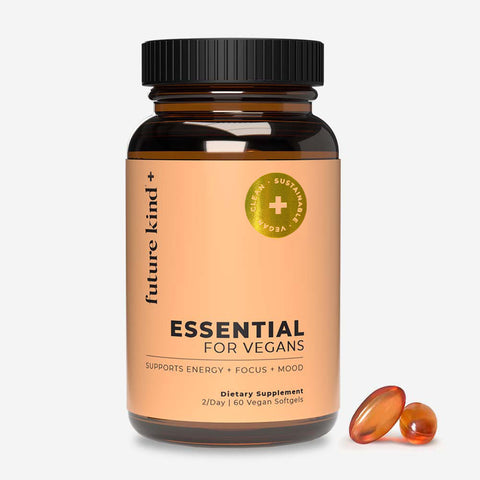
If you want a dedicated plant-based omega-3, Future Kind’s vegan algae omega-3 is made without animal-derived ingredients and provides DHA and EPA from algae rather than fish. Check the current product page for the latest details.
If you would rather get omega-3 alongside broader daily coverage, Future Kind Foundations is a focused multivitamin designed for plant-based eaters. It includes omega-3 DHA and EPA from algae, which many multivitamins do not provide in meaningful amounts, along with other nutrients commonly under-covered on a plant-based diet. For pregnancy or trying to conceive, use a dedicated prenatal rather than a standard multivitamin.
The bottom line
A plant-based omega-3 supplement is mainly about covering DHA and EPA, the two omega-3s hardest to get reliably from plants alone. Algae oil is the direct vegan source, and the smartest way to compare products is to read the back of the label. Whether you choose a standalone omega-3 or a multivitamin that includes it, the best option is the one you will take consistently.
This article is for informational purposes only and does not constitute medical advice. These statements have not been evaluated by the Food and Drug Administration. Dietary supplements are not intended to diagnose, treat, cure, or prevent any disease. Always consult a qualified healthcare professional before starting any supplement, especially if you are pregnant, breastfeeding, taking medication, or managing a health condition.