


A well-planned vegan diet is one of the healthiest ways to eat. But “well-planned” is doing a lot of heavy lifting in that sentence. Without intentional attention to a handful of key nutrients, even dedicated plant-based eaters can develop deficiencies that quietly undermine their energy, immunity, and long-term health.
The good news? Every one of these common vegan deficiencies is completely preventable. Here are the five you need to know about, the warning signs to watch for, and exactly how to fix them.
1. Vitamin B12
Why it happens: B12 is produced by bacteria in soil and water. Animals accumulate it through their feed (which is often supplemented with B12 itself), but plant foods contain virtually none. This makes B12 the single most common and most serious deficiency risk for vegans.
Warning signs: Persistent fatigue, tingling or numbness in hands and feet, brain fog, difficulty concentrating, mood changes, and a sore or swollen tongue. B12 deficiency can take months or even years to show symptoms because your body stores it in the liver, which makes regular testing especially important.
How to fix it: Supplement daily with methylcobalamin or adenosylcobalamin, the bioactive forms your body can use immediately. Fortified foods like nutritional yeast and plant milks help, but they rarely provide enough on their own. Learn more about the different B12 forms in our cyanocobalamin vs. methylcobalamin guide, and find out the best time to take B12 for optimal absorption.
2. Omega-3 Fatty Acids (DHA & EPA)
Why it happens: Plant foods like flaxseeds, chia seeds, and walnuts provide ALA, a precursor omega-3. But your body converts less than 10% of ALA into the DHA and EPA that your brain, eyes, and cardiovascular system depend on. Most vegans get plenty of ALA but very little of the forms that matter most.
Warning signs: Dry skin, brittle nails, difficulty concentrating, joint stiffness, and low mood. For a deeper look at what to watch for, read our post on omega-3 deficiency symptoms.
How to fix it: Take an algae-based omega-3 supplement that provides DHA and EPA directly. This is the same source that fish get their omega-3s from, just without the middleman. Our Vegan Omega-3 is made from sustainably harvested algal oil and delivers both DHA and EPA in every serving.
3. Vitamin D
Why it happens: Vitamin D is sometimes called the “sunshine vitamin” because your skin produces it when exposed to UVB rays. But if you live above 37 degrees latitude (roughly anywhere north of Los Angeles or Athens), you likely aren’t getting enough sun exposure for at least half the year. Very few foods naturally contain vitamin D, and most fortified options use D2, which is less effective than D3.
Warning signs: Frequent illness, bone pain or weakness, muscle fatigue, low mood (especially in winter), and slow wound healing.
How to fix it: Supplement with vegan vitamin D3 sourced from lichen. This is the same form your skin produces naturally and is far more effective at raising blood levels than plant-derived D2. Our Vegan Vitamin D3 provides 2,000 IU per serving to keep you in the optimal range year-round.
4. Iron
Why it happens: Plants contain non-heme iron, which is absorbed at roughly 2 to 20% efficiency compared to 15 to 35% for heme iron from animal sources. On top of that, phytates and tannins in plant foods can further inhibit absorption. Vegans may eat just as much total iron as omnivores but absorb significantly less of it.
Warning signs: Extreme fatigue, pale skin, shortness of breath during light activity, cold hands and feet, brittle nails, and frequent headaches. Iron deficiency is especially common in women of reproductive age and endurance athletes.
How to fix it: Eat iron-rich plant foods like lentils, chickpeas, tofu, and dark leafy greens, and always pair them with a source of vitamin C to boost absorption. For additional support, a combined iron and vitamin C supplement makes it easy to close the gap without stomach discomfort.
5. Iodine
Why it happens: The two main dietary sources of iodine for most people are dairy products and seafood. Remove both from your diet and you’re left with seaweed (which varies wildly in iodine content) and iodized table salt (which many health-conscious people have replaced with sea salt or Himalayan salt that contains little to no iodine).
Warning signs: Unexplained weight gain, constant fatigue, feeling cold all the time, dry skin, hair thinning, and brain fog. These are all signs of an underactive thyroid, which iodine deficiency can trigger over time.
How to fix it: Use iodized salt consistently or take a dedicated vegan iodine supplement to ensure you hit the recommended 150 mcg per day. For more food-based strategies, check out our guide to the best iodine sources for vegans.
How to Know Where You Stand
Symptoms can be vague, and many deficiencies develop slowly enough that you adjust to feeling “a little off” without realizing something is wrong. The most reliable way to catch deficiencies early is through regular blood work. A simple panel can test your B12, vitamin D, iron (ferritin), and other key markers so you know exactly what needs attention.
Our vegan blood test tips guide walks you through which tests to request, what optimal levels look like, and how to talk to your doctor about plant-based nutrition.
Prevent Deficiencies Before They Start
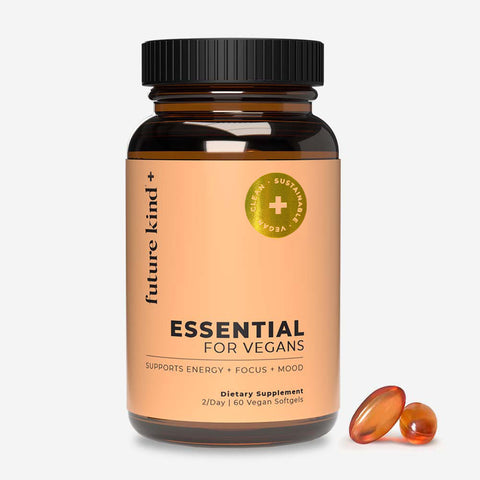
Every one of these common vegan deficiencies is avoidable with the right combination of whole foods and targeted supplementation. You don’t need a complicated routine. A quality vegan multivitamin covers the big three (B12, D3, and omega-3), and you can layer in iron, iodine, or other nutrients based on your individual needs and blood work results.
Browse our full collection of best vegan supplements to find the right support for your plant-based lifestyle. All products are 100% vegan, third-party tested, and formulated with the bioactive nutrient forms your body can actually use.
FDA & Medical Disclaimer
This article is for informational purposes only and does not constitute medical advice. These statements have not been evaluated by the Food and Drug Administration. Dietary supplements are not intended to diagnose, treat, cure, or prevent any disease. Always consult a qualified healthcare professional before starting any supplement.



Comments (0)
There are no comments for this article. Be the first one to leave a message!